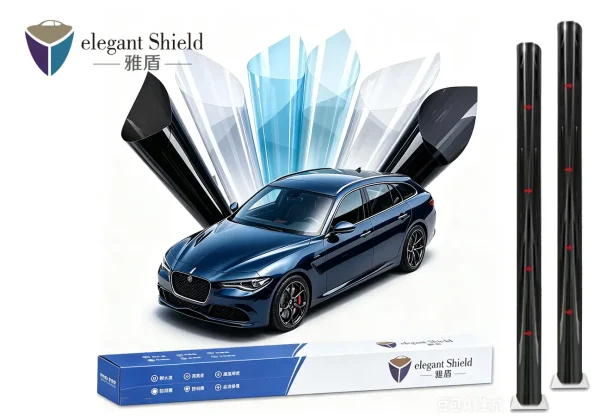
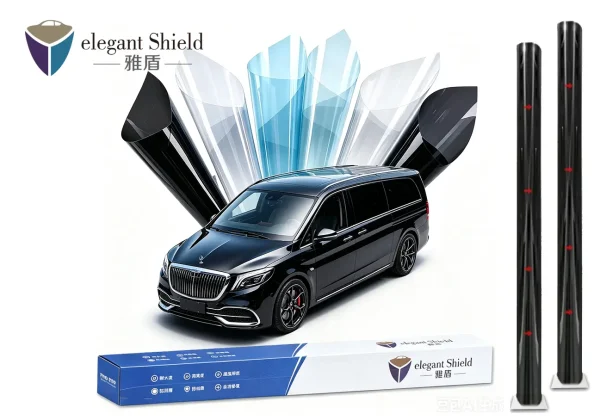
Nano Ceramic, Carbon or Dyed Window Tint?
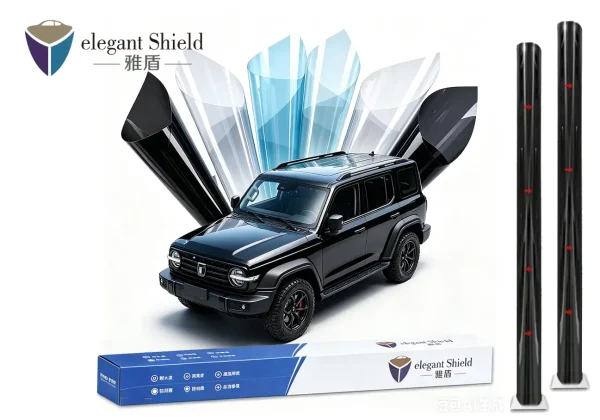
Three tint technologies cover almost every market, and the differences show up in three numbers: VLT, IR rejection and whether the film contains metal. Knowing which one your customers actually need is the difference between a reorder and a shelf of dead stock.
Nano ceramic — the default for hot climates
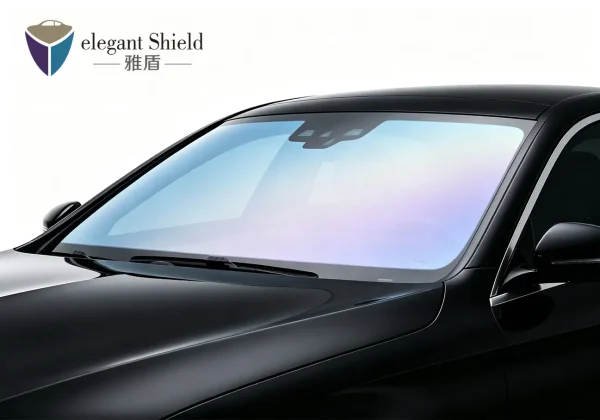
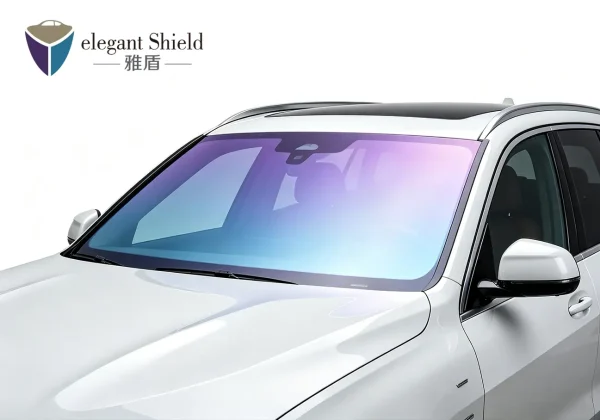
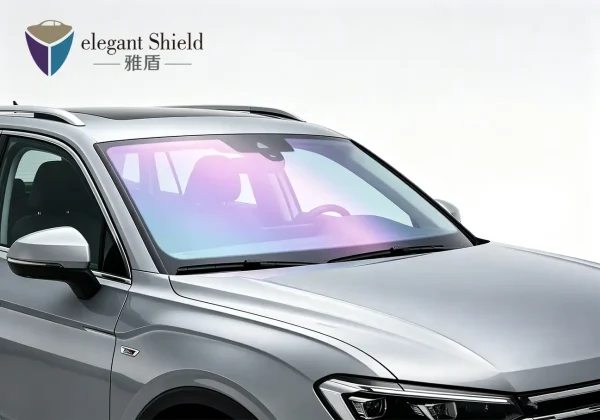
Ceramic film uses nano-scale metal oxides instead of metal layers. It blocks infrared heat without blocking GPS, mobile or toll signals, and it does not corrode at the edges. UV rejection sits at 99%, and heat rejection stays stable over years rather than fading with the dye. In the Middle East, Southeast Asia and southern Europe this is the product that sells at a premium.
Carbon — the middle tier
Carbon film is a charcoal-toned, non-reflective film with no metal layer. It costs less than ceramic, rejects noticeably more heat than dyed film, and its matte surface hides interior reflections. It is the easiest upsell from dyed — same installation, visibly better performance.
Dyed — the volume entry product
Dyed film colors the polyester itself. It is the cheapest option and the right answer for price-driven markets, dealer-fit programs and fleet work, where the buyer wants privacy and a factory look rather than maximum heat rejection. Be honest about the trade-off: heat rejection is lower and the color can shift after years in direct sun.
Reading the specification correctly
VLT is the percentage of visible light that passes through — a legal limit in most countries, and the number that gets checked at inspection. IR rejection figures are only comparable when they quote the same wavelength band (900–1000nm is common, 1400nm tells a different story). Always ask which standard the number was measured to, then request the test report for the exact SKU you are buying.
Nano Ceramic Tint → · Carbon Tint → · Dyed Tint →